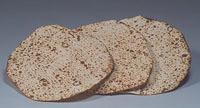
 Matzo (also Matzoh, Matzah, Matza, Hebrew מַצָּה), an unleavened bread, is the "official" food of Passover. When the Jews were leaving Egypt, there was no time for the bread to rise, and the resulting food was matzoh. For Passover, the ingredients for matzoh are flour and water.Matzo (also Matzoh, Matzah, Matza, Hebrew מַצָּה), an unleavened bread, is the "official" food of Passover. When the Jews were leaving Egypt, there was no time for the bread to rise, and the resulting food was matzoh. For Passover, the ingredients for matzoh are flour and water.
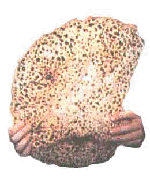 Five grains are forbidden for use during Passover in any processed form but dry-roasting and as matzoh: wheat, barley, spelt, rye, and either oats (according to Rashi) or two-rowed barley (according to Rambam's interpretation of Mishnah Kilayim 1:1; Yerushalmi Challah 1:1). (Wheat and spelt are both in the genus Triticum and anything else in the genus is likewise forbidden. Oat-grain is practically gluten-free and belongs to a different tribe than wheat, spelt, rye and barley.) Millet and teff are borderline; it takes a few days for them to rise. Dough made from the five grains is considered to start rising if it is inactive for 18 minutes from the time it gets wet; if longer elapses before it is put in the oven, it is no longer matzoh. Shmura ("watched") matzoh (Hebr. מַצָּה שְׁמוּרָה) is made from grain that has been under special supervision from the time it was harvested to ensure that there was no additional moisture.
Matzo can be ground to form coarse or fine Matzo meal, which is often used as a substitute for flour in Passover cooking. Also see matzah balls
Five grains are forbidden for use during Passover in any processed form but dry-roasting and as matzoh: wheat, barley, spelt, rye, and either oats (according to Rashi) or two-rowed barley (according to Rambam's interpretation of Mishnah Kilayim 1:1; Yerushalmi Challah 1:1). (Wheat and spelt are both in the genus Triticum and anything else in the genus is likewise forbidden. Oat-grain is practically gluten-free and belongs to a different tribe than wheat, spelt, rye and barley.) Millet and teff are borderline; it takes a few days for them to rise. Dough made from the five grains is considered to start rising if it is inactive for 18 minutes from the time it gets wet; if longer elapses before it is put in the oven, it is no longer matzoh. Shmura ("watched") matzoh (Hebr. מַצָּה שְׁמוּרָה) is made from grain that has been under special supervision from the time it was harvested to ensure that there was no additional moisture.
Matzo can be ground to form coarse or fine Matzo meal, which is often used as a substitute for flour in Passover cooking. Also see matzah balls |